The right pump for the duty.Even when it isn't ours.
Channel Pumps is a UK industrial pump distributor, supplying pumps for wastewater, chemical, food and pharmaceutical duties. We work out which pump your duty needs before you buy one. Send us the flow, head, medium and connection, and we'll start there.
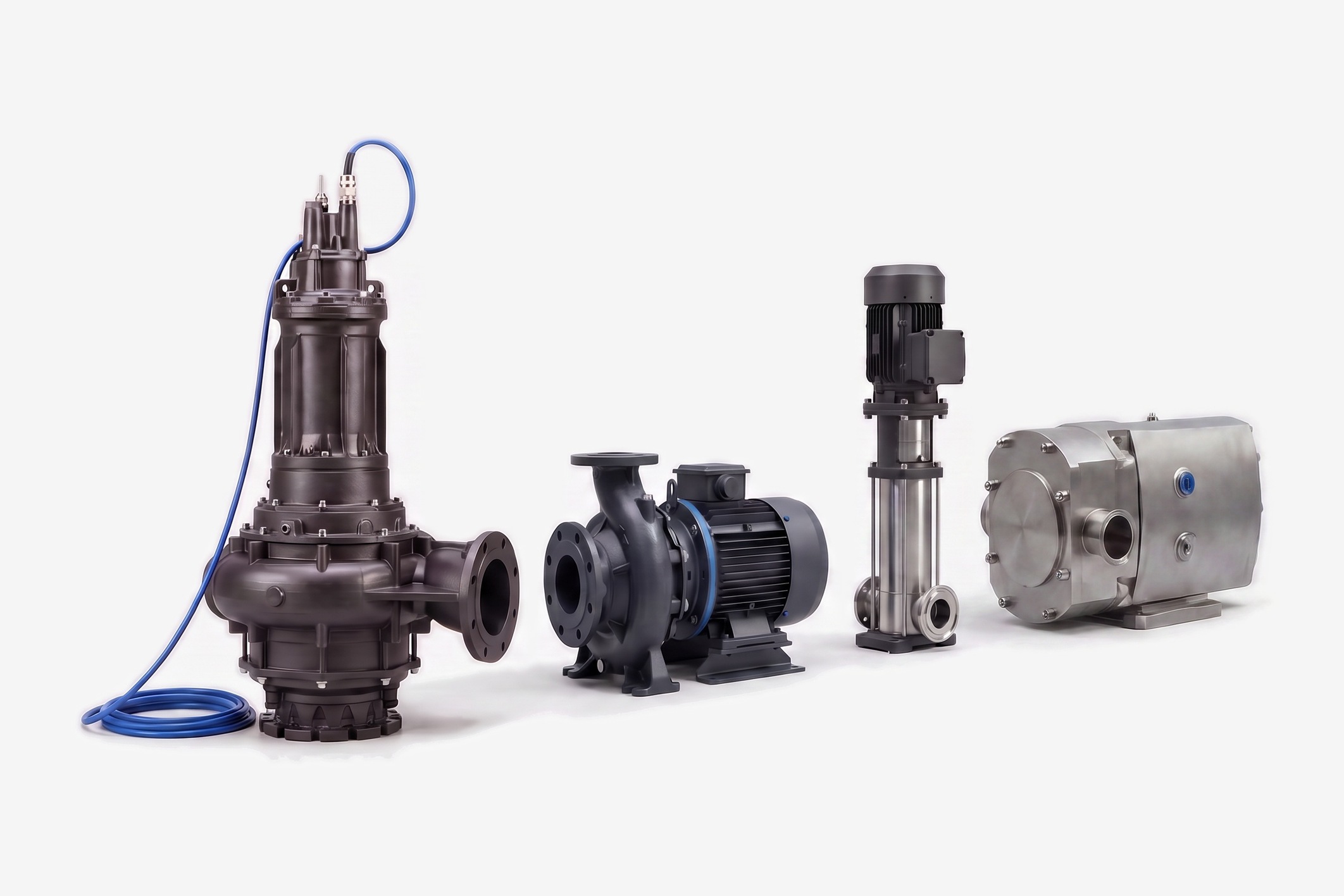
Three ways in
- Pump typesStart from how the pump moves your media. Open any type to see how it works, how to size it, and the pumps we supply.Browse
- ApplicationsStart from the job the pump has to do. The duty decides the type. Open an application for how to choose and the pumps that suit.Browse
- IndustriesFind pumps proven in your sector, matched to the media, standards and duties that matter to it.Browse
Chosen on merit, not on the badge
All manufacturersCarrying more than one manufacturer is the point. It means we can weigh the options for your duty rather than fit your application to a single catalogue.


Vogelsang HiCone
Vogelsang's adjustable progressive cavity pump. Wear is taken up by moving the conical rotor, in service, instead of fitting a new stator.
- Flow rate
- up to290m³/h
- Pressure
- up to12bar
- Solids
- 48–98mm

If you already know the type
All pump types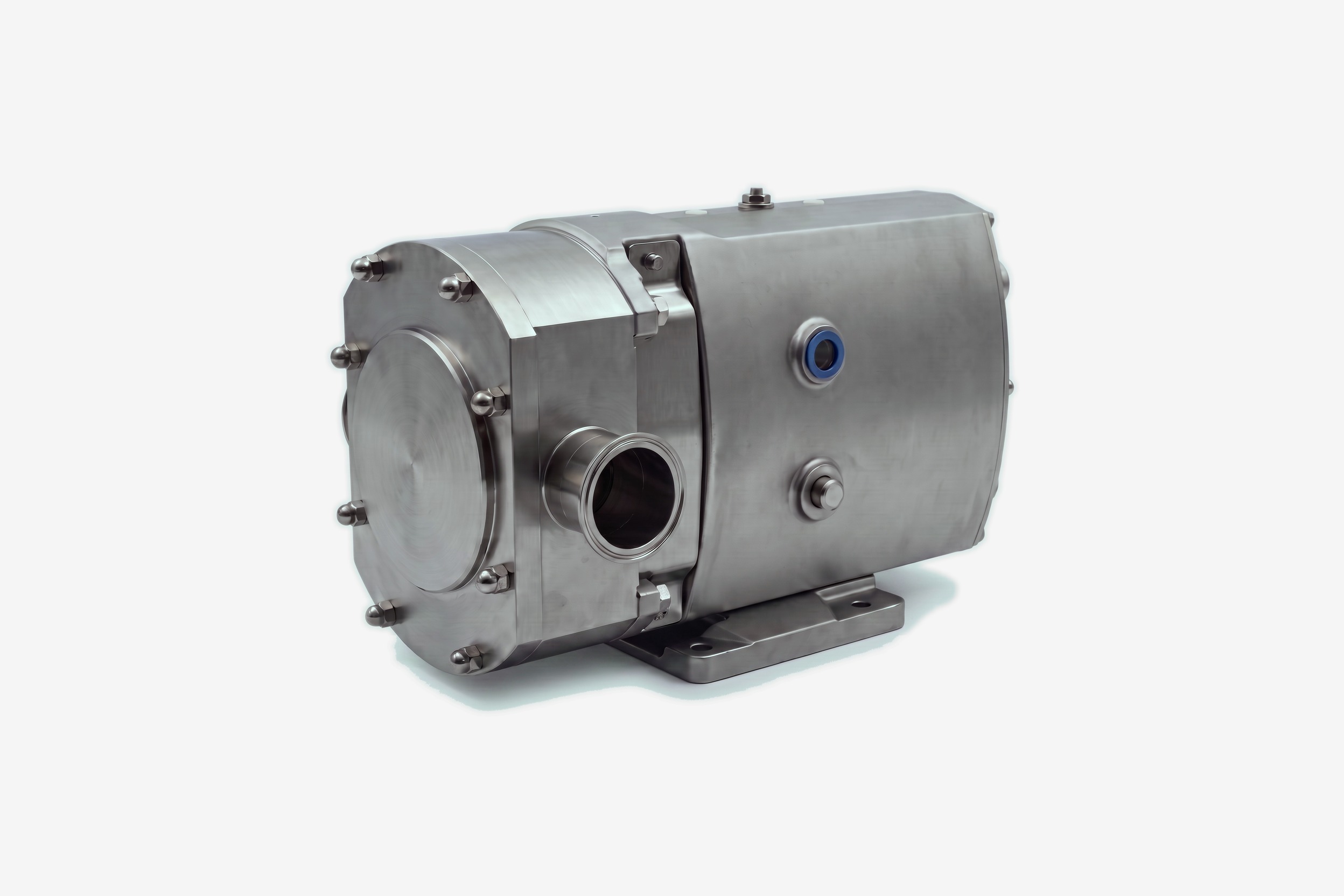
A positive displacement pump for thick, delicate or solids-laden media. Flow holds steady as pressure moves.
11 models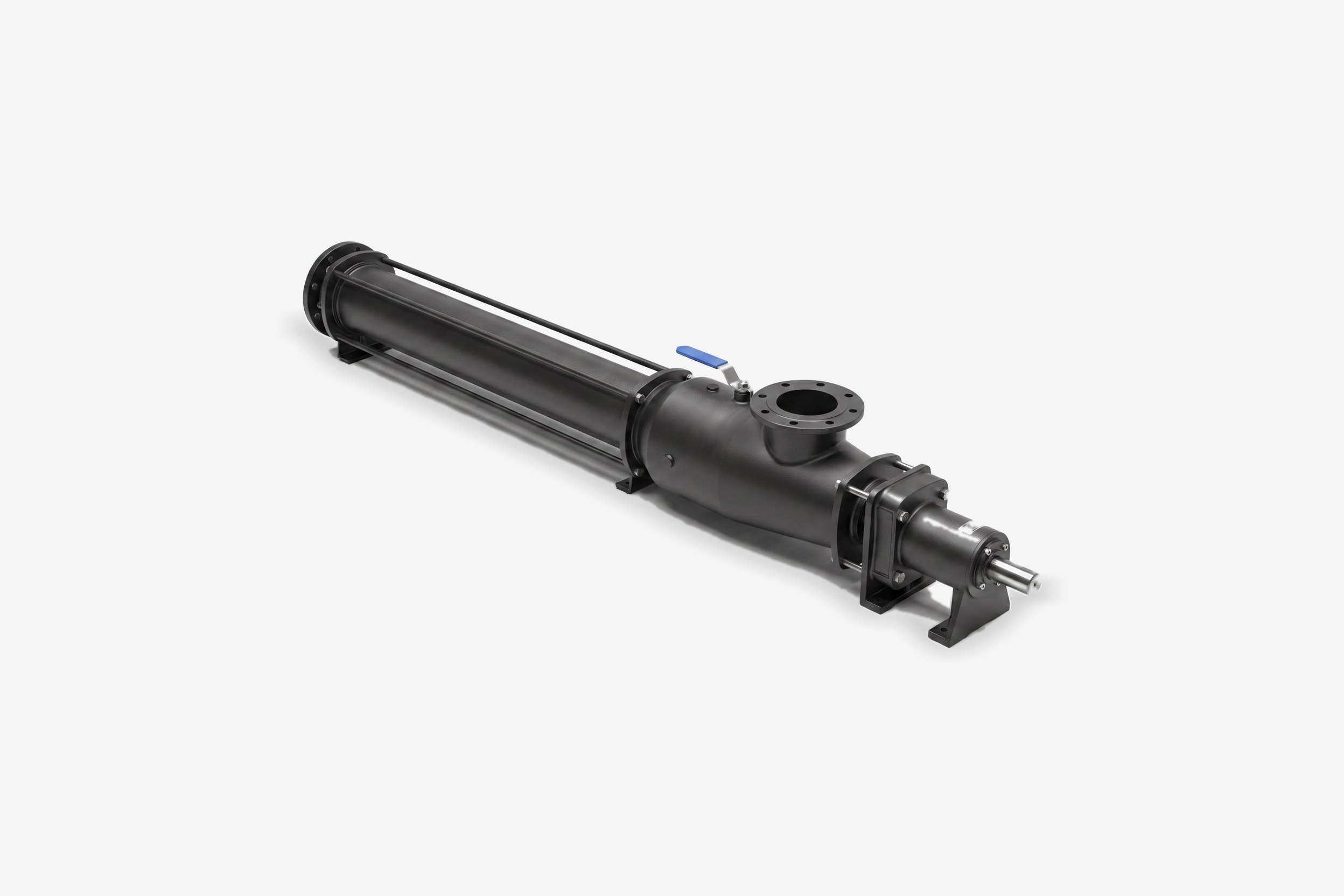
Single-rotor positive displacement pumps for sludge, slurry and high-viscosity media at steady, near-constant flow.
4 models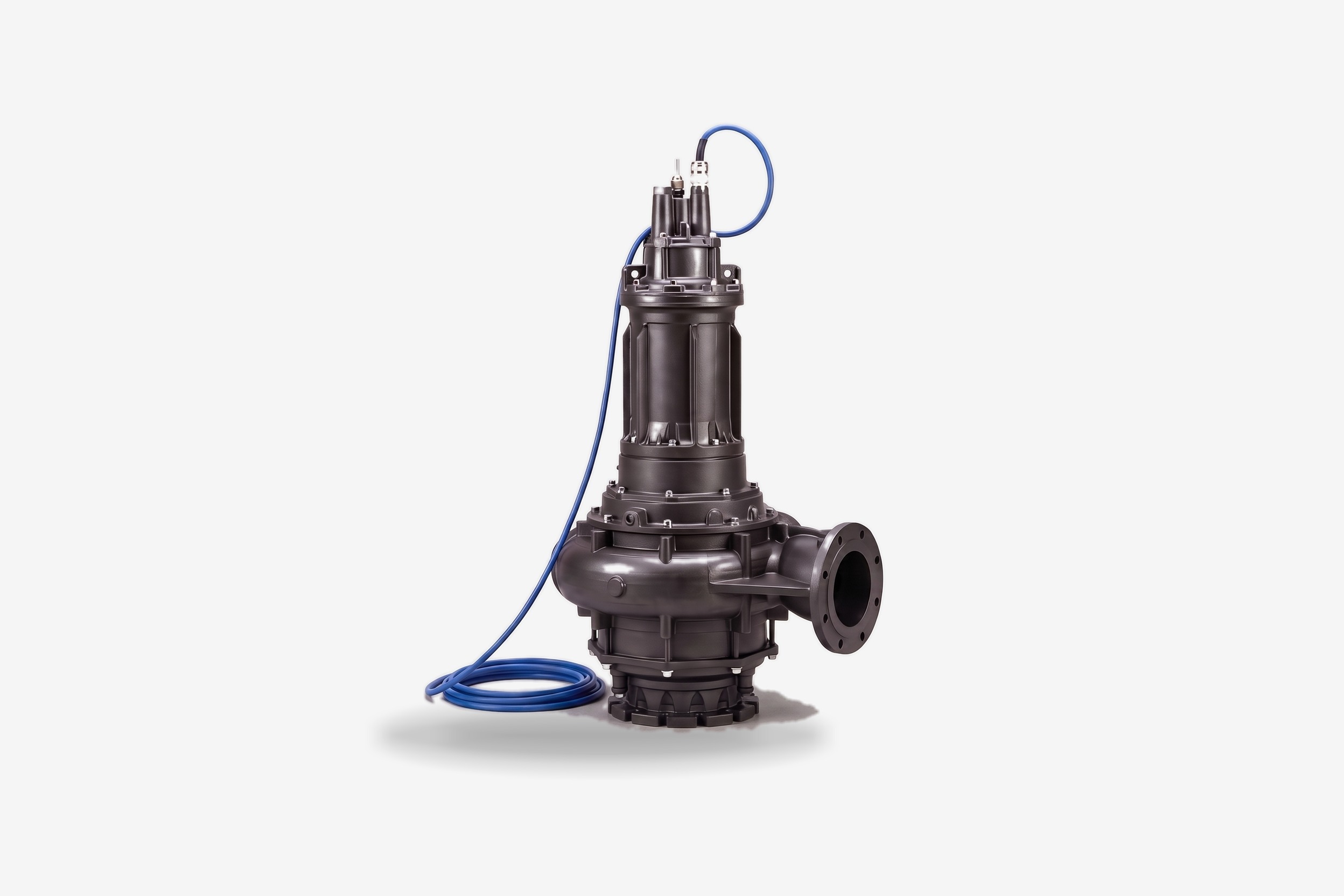
Immersed, self-priming pumps for drainage, dewatering, sewage and borehole duties, plus the three things that kill them in service.
24 models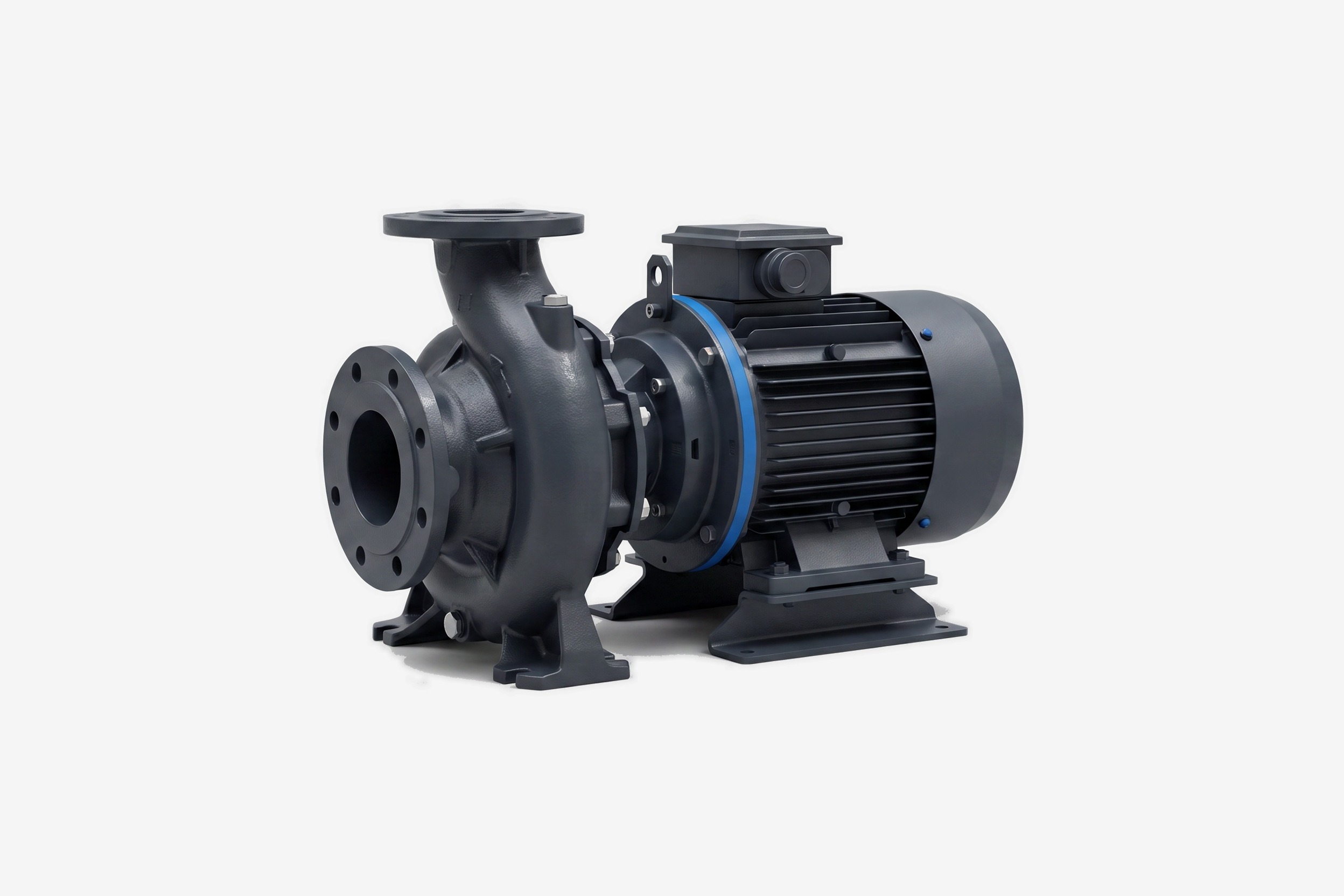
The rotodynamic workhorse for thin, clean media at high flow. How it works, when to choose it, and where positive displacement takes over.
20 models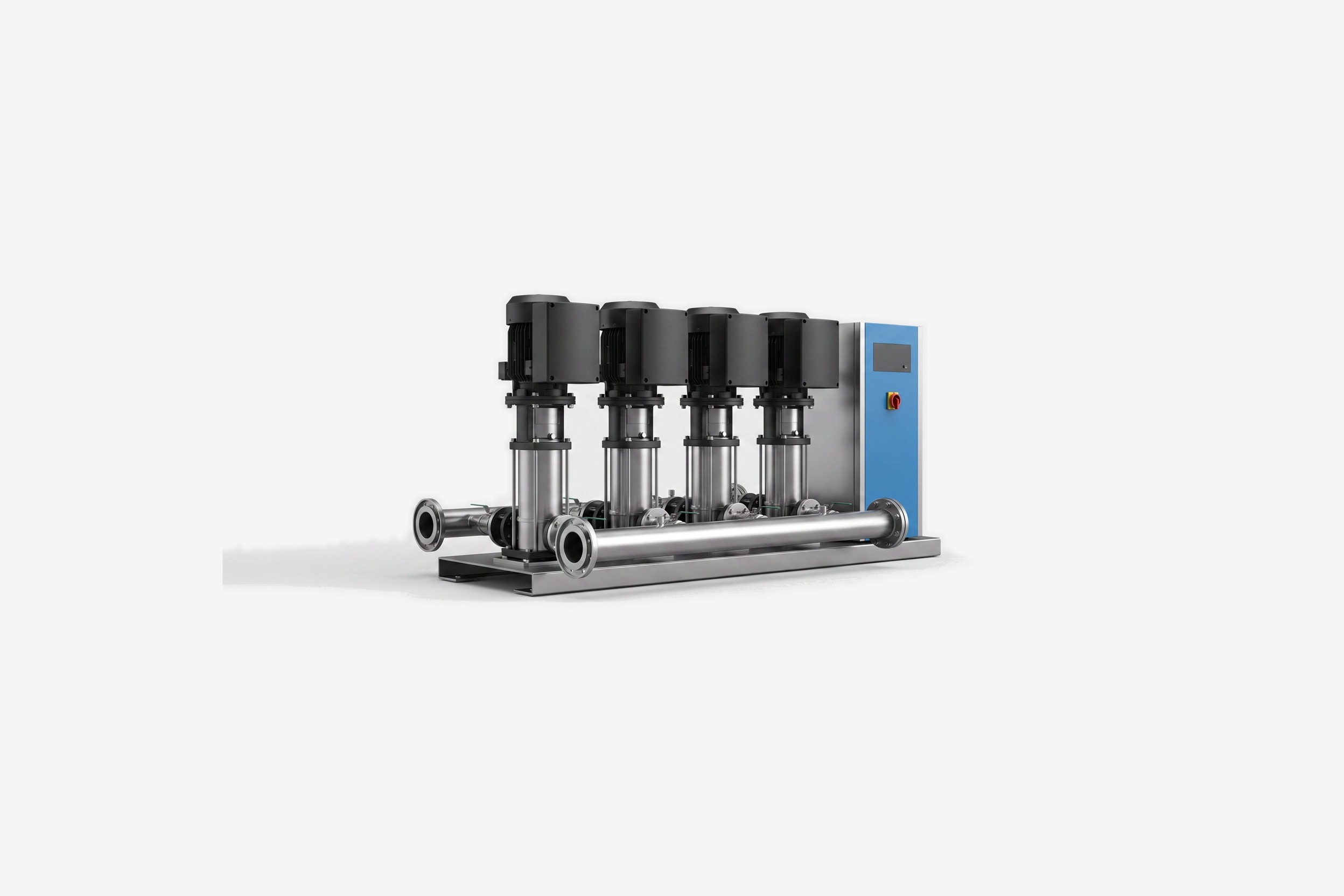
Packaged multistage pump sets that hold a steady outlet pressure, sized to the duty rather than to the building.
2 models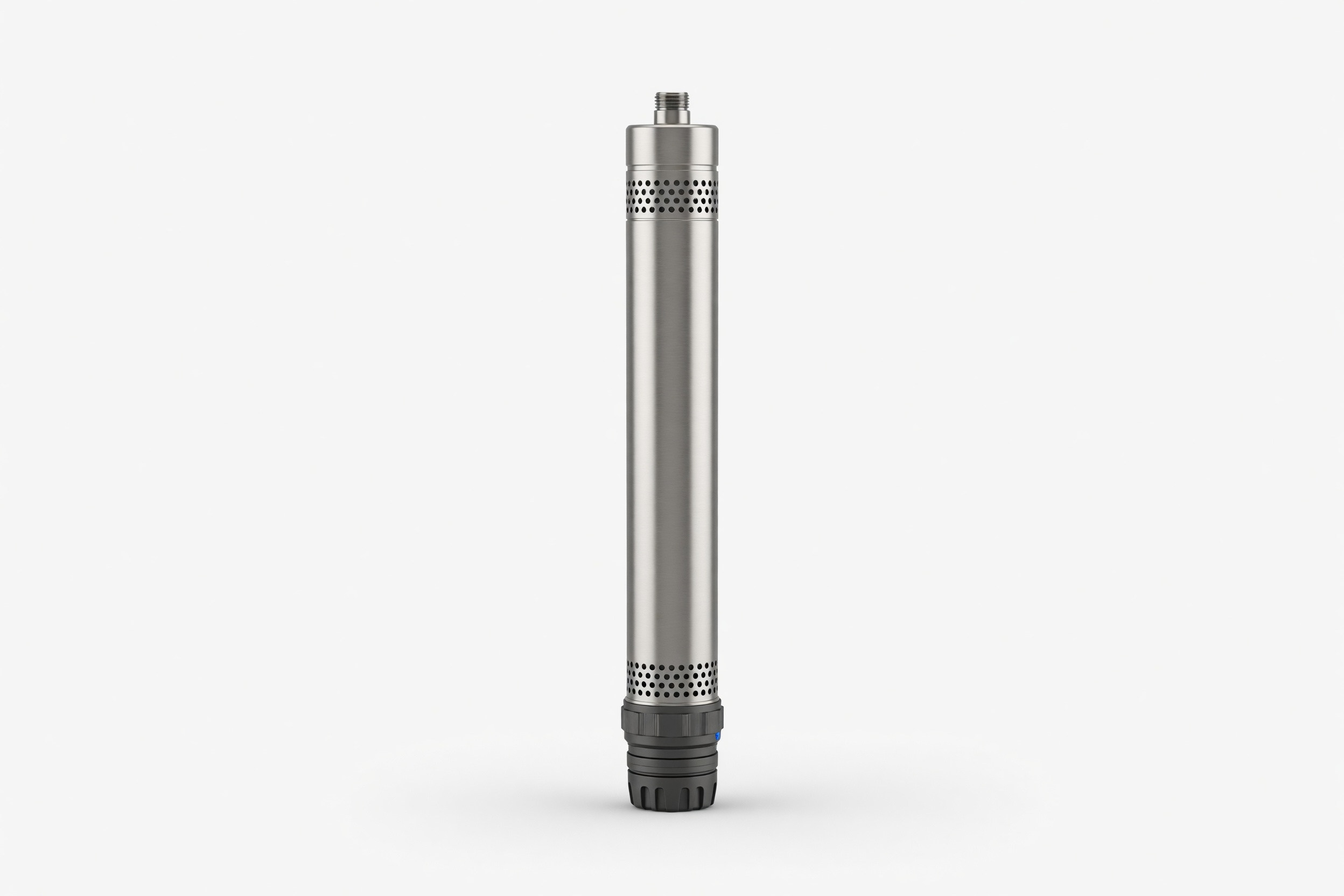
Multistage submersible pumps for deep water abstraction. How they work, where they fit, and the figures we need to specify one.
1 model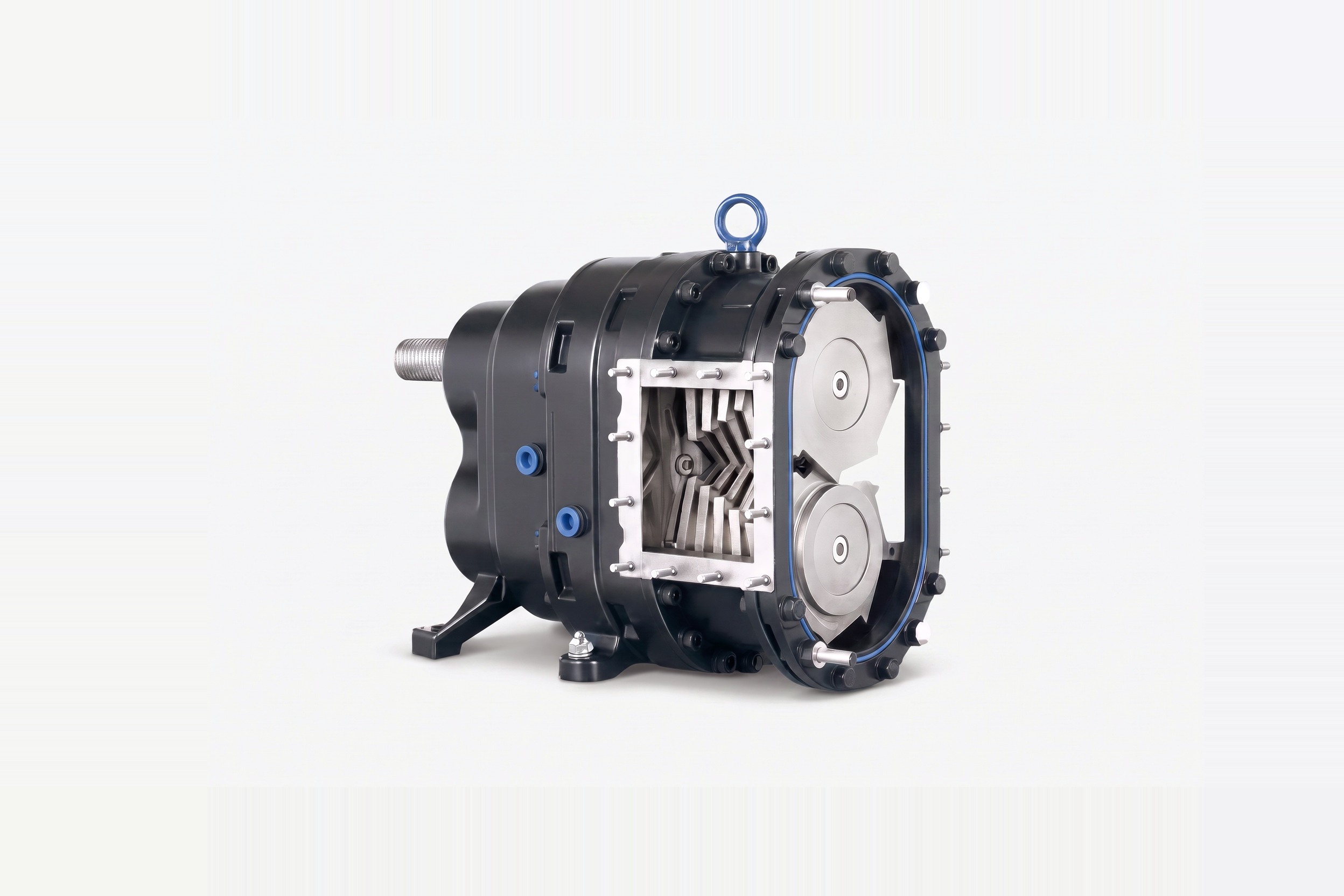
Inline cutting units that reduce rag and solids in the pipeline, ahead of a separate pump.
2 models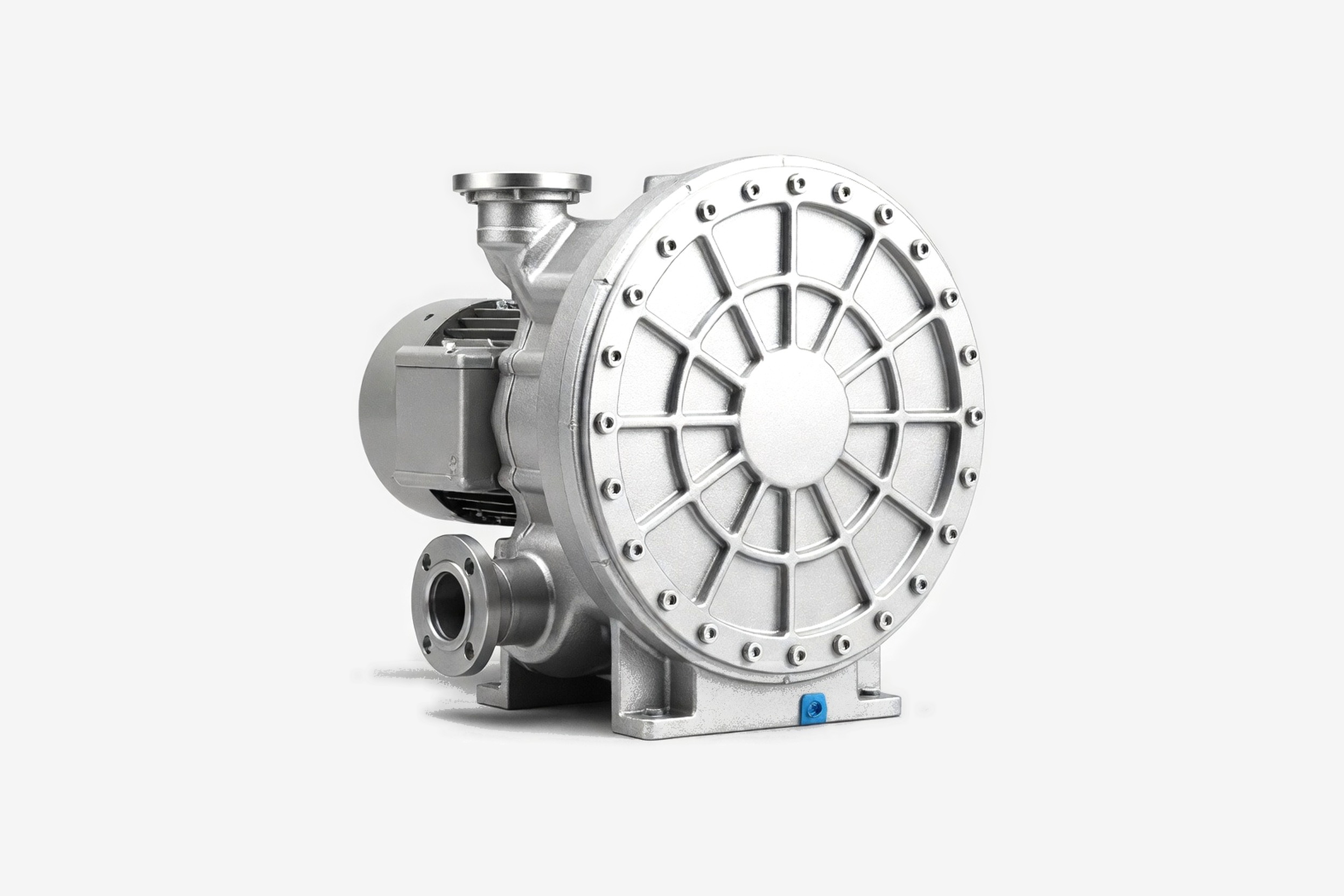
A hose pump with no seal and no valve in the wetted path. The medium touches nothing but the hose.
3 modelsThe job is asking the right questions, not expecting the right brief.
Most people who call us don't have a finished specification, and they shouldn't be expected to. A site engineer has to be expert in a lot of things and pumps are rarely one of them.
So we start with the duty and work down to the build. If the answer turns out to be a repair, a change to the pipework, or a pump we don't sell, we'll tell you that instead.
Tell us the duty
Flow rate first, then the pipework: static suction head, discharge head, pipe length, bore, and how many bends and valves. That gives us the total dynamic head. A photo of the nameplate helps if you already have a pump.
We check it against the curve
The duty point has to sit where the pump runs efficiently, with NPSH available above NPSH required. Oversizing is the default mistake, and it stays expensive for the life of the installation.
You get a specification, not a part number
Wetted materials, sealing arrangement, elastomers, motor and drive, chosen for your medium and temperature rather than for the box it ships in.
Learn before you buy
All guidesNo price online. We size it first.
Flow, head, medium and connection is enough to start. We'll tell you what the duty needs, even when that isn't a pump we sell.